Street-Parked, Still Sharp: A Weekly Paint Reset for UK Drivers Without a Hose
Photo: Le Sharkoïste, CC BY-SA 4.0, via Wikimedia Commons
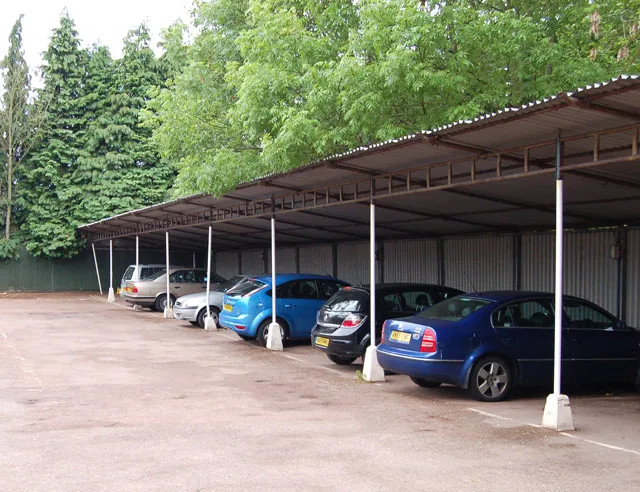
Street parking is the normal situation for a lot of UK enthusiasts. You have a residents’ permit, a narrow bay, maybe a tree overhead, and no outside tap. The car is a daily driver, so it collects brake dust, road spray, bird mess and the general grime of a city. You cannot hose it down on a Sunday, and you are not going to book a full detail every month. The answer is not a heroic four-hour session. It is a short, repeatable reset that keeps the paint from sliding into correction territory.
Why street-parked cars need a different routine
A car on a driveway can be rinsed, snow-foamed and dried in a controlled space. A street-parked car is exposed to whatever the road throws at it: diesel soot, construction dust, salt in winter, sap in summer, and the constant risk of a neighbour’s door. The paint is also harder to keep clean because you cannot simply blast the grit away. That means your washing method has to be gentler and more deliberate. You are not chasing a show finish every week. You are stopping the daily accumulation that causes scratches.
Rinseless or waterless? Pick the right tool
Rinseless wash is the backbone of a no-hose routine. You mix a concentrated polymer wash with water in a bucket, pre-soak dirty panels with a pump sprayer, then wash and dry panel by panel. It encapsulates dirt so you can wipe it away with less risk. Waterless wash is for lighter dust and fresh fingerprints. It is not the right choice for a car covered in winter salt or gritty urban fallout.
For a street-parked daily in the UK, keep both. Use rinseless for the weekly reset, and waterless for spot cleaning—bird mess, a dusty boot lid, a mark on the door. Do not use household washing-up liquid. It strips protection and leaves residue.
The 20-minute reset
This is a weekly exterior routine, not a full detail. Wheels and glass can be added if you have time.
- Pre-soak the dirtiest areas. Fill a pump sprayer with rinseless wash at the recommended dilution. Spray the lower doors, sills, arches, boot lid and front bumper. Let it dwell for a minute or two.
- Mix your wash bucket. Use a grit guard if you have one. Two or three gallons is enough for one car.
- Work top-down, panel by panel. Use a plush microfibre wash pad or sponge. Do the roof, glass, upper panels, then the lower panels. Rinse the pad in the bucket regularly.
- Dry as you go. Use a clean microfibre towel and a drying aid. Do not let the panel air-dry.
- Use separate towels for the lower panels. That is where the grit lives.
- Finish with glass and wheels. A separate bucket and towel for wheels stops brake dust spreading.
If you are organised, the body takes about 15 minutes. Wheels and glass add another five. The point is frequency, not intensity.
Product choices that suit gritty UK roads
Look for a rinseless wash with good lubrication and a bit of cleaning power. A pre-wash spray is useful for winter salt. A bug remover helps in summer, and a tar remover is worth having for the odd black speck. Keep a spray bottle of waterless wash and a clean microfibre in the boot for bird droppings. The longer bird mess sits, the more it etches.
Avoid aggressive clay bars on a weekly basis. A clay mitt every few months is enough if the paint feels rough. Do not polish unless you have to. Every polish removes clearcoat, and street-parked cars do not need a correction every season.
The small habits that make the difference
The weekly reset is only half the story. The other half is the tiny habits: removing bird mess as soon as you see it, keeping your microfibres clean, not wiping a dry dusty panel with a dry towel, and parking away from trees if you have the choice. In winter, rinse the arches and lower panels more often. In summer, work early or late so the panels are cool.
If a hosepipe ban arrives in 2026, you will already have the right method. If the car gets covered in salt, do not wait for the weekend—use a rinseless wash on the lower panels and wheels. A daily driver does not need to be perfect. It needs to be maintained. Twenty minutes a week is a lot cheaper than a paint correction.