Wax Isn’t Dead—and Ceramic Isn’t Magic: A 2026 Reality Check for UK Paint Protection
There is a default assumption in UK detailing that ceramic coating equals serious paint care and wax equals old hat. It is easy to see why. Coatings are sold with years of durability, extreme beading and a sense of permanence. Wax is sold in tins with nostalgic labels. But paint protection is not a status symbol. It is a tool, and the right tool depends on how the car is parked, driven and washed. In 2026, with coating prices still all over the place, it is worth asking a less fashionable question: what actually works for your car?
What a ceramic coating really does
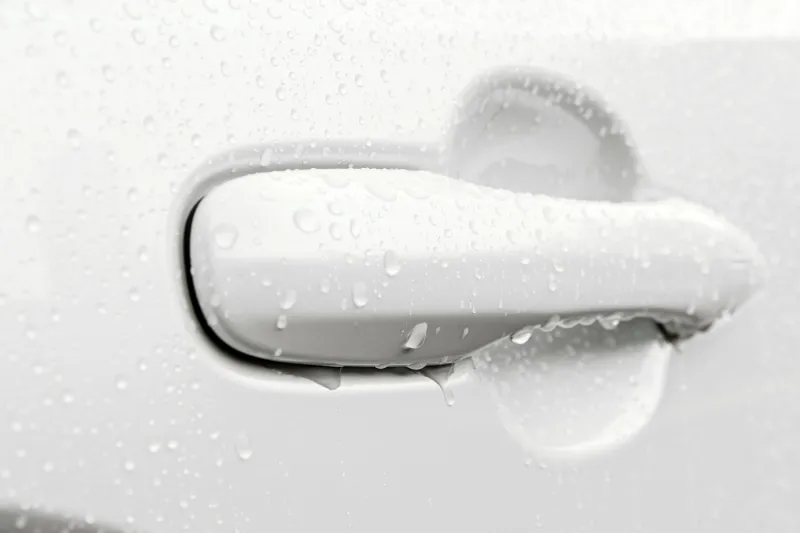
A ceramic coating is a semi-permanent layer that bonds to the paint. It gives strong hydrophobics, good chemical resistance and UV protection, and it can make washing easier. It does not stop stone chips. It does not make paint scratch-proof. It does not mean you can skip maintenance. In fact, the prep is the majority of the result. If the paint is not decontaminated and polished before application, a coating simply locks in the swirls and road film. A coated car washed with a gritty sponge will still mar. A coated car left covered in hard water or bird droppings will still stain. The coating is a helpful layer, not a force field.
Where wax still makes sense
A high-quality wax or sealant can be excellent on a UK daily. Collinite 845 has a long-standing reputation for winter durability, Bilt Hamber Double Speed-Wax is easy to apply and gives a crisp gloss, and Dodo Juice waxes appeal to anyone who enjoys the ritual of a weekend detail. Real-world durability in a British winter is usually a few months rather than years, but that is not necessarily a problem. A wax is sacrificial. You can renew it. It is low-risk, DIY-friendly and cheap to top up. On a garage-kept weekend car, or a low-mileage second car, a good wax can look superb and be far more enjoyable to own than an expensive coating you barely maintain.
The cost-per-year trap
Comparing a £30 tin of wax with a £600 professional coating invoice is not a fair fight. The coating includes prep, machine polishing and application time. But the reverse is also true: a coating is not automatically cheaper over five years if you pay for maintenance washes or let it degrade. A weekend detailer who enjoys washing the car can spend very little on a durable sealant, use it properly, and get a lovely finish. The money-saving recommendation is simple: if your budget is tight, don’t stretch to a professional coating and then neglect it. Spend on a proper decontamination, a safe wash kit and a durable wax or sealant. A bottle of Gtechniq C2V3 as a drying aid or top-up will keep the beading lively without breaking the bank.
UK weather reality
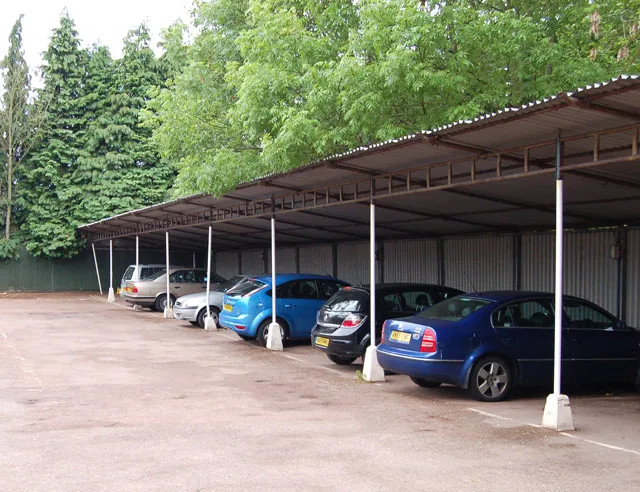
UK weather is not a laboratory test. Salt brine, grit, freeze-thaw, low sun and steady rain all take their toll. A coating’s beading is satisfying, but brine still sits on the surface. A wax can be renewed more often, which suits some owners. Neither product replaces washing. If the car is parked under trees, near the coast or on a busy A-road commute, contamination will build regardless. Parking situation matters more than the label on the bottle.
A decision framework that actually helps
Ask yourself these questions before choosing.
- Where is the car parked? A garage-kept car with low mileage can thrive on a quality wax or sealant. A street-parked daily facing salty roads will benefit from a durable sealant or a well-maintained coating.
- How many miles a year? Under 6,000 miles is gentle use. Over 12,000 miles means more grit, more washing and more abuse. If you are doing high mileage, a coating or a premium sealant starts to make more sense, provided you maintain it.
- How do you wash it? If you do careful weekly two-bucket washes, wax is easy to live with. If you use automatic brush washes, don’t spend a fortune on a coating; the wash process will do more damage than the protection can prevent.
- How long are you keeping it? A five-year ownership plan can justify a coating. If the car is a two-year lease or a stopgap, a good sealant is the sensible spend.
- What is your time worth? A coating may reduce washing effort, but it still needs maintenance. Wax takes more frequent application but is forgiving and cheap to redo.
What enthusiasts get wrong
Three things come up again and again. First, assuming a coating means no maintenance. Second, applying a coating over swirled paint and expecting gloss. Third, buying an expensive coating but washing with a brush and a bucket of gritty water. On the other side, wax fans sometimes pretend durability doesn’t matter. It does, especially through a UK winter. The honest answer is that prep and wash technique matter more than the last 10% of product choice. Beading is nice, but a clean, decontaminated surface is nicer.
The Wowo take
For a weekend detailer who wants a flawless finish without overspending, a sensible plan is a full decontamination, a light polish if needed, and a durable wax or sealant applied properly. Collinite 845 or Bilt Hamber Double Speed-Wax are excellent starting points. Top up with a spray sealant after washes. If you have a garage, low mileage and a careful wash routine, that will serve you well. If you have a street-parked daily, high mileage and no interest in waxing every few weeks, a professional coating may be the better long-term tool. Just don’t buy the marketing story. Buy the routine you will actually keep.