Back Door, Hidden Grit: Giving the Rear Wiper Pivot a Proper Winter Clean
Most paint-care routines begin at the front: the bonnet, the leading edge of the roof, the bumper that takes the brunt of motorway spray. The back end gets a glance, a quick wipe and perhaps a bit of glass cleaner. But on a UK hatchback or estate, the rear wiper pivot, the tailgate glass seal and the spoiler edge form a quiet little grit trap. Once the council gritters have been out, that trap starts collecting a mixture of salt, road film and leaf mould that can grind away at paint and make the wiper arm stiffen up.
The good news is that this is a 30-minute job, not a garage visit. You do not need a pressure washer, a machine polisher or a shelf full of specialist chemicals. You need a cool panel, a gentle pre-clean, a soft brush and a bit of patience around rubber and glass.
Why the back end collects what the front forgets
Hatchbacks and estates have a very upright rear end, and the airflow behind them tends to dump dirty spray right where the wiper lives. Add a spoiler or a raised tailgate lip and you create a ledge where water sits, leaf litter catches and salt dries into a fine crust. The spindle base is especially sneaky. It has a small gap around the pivot, just big enough for grit to enter and not nearly big enough for a sponge to reach.
In winter, that grit becomes a mild grinding paste. The wiper sweeps across the glass, the spindle turns through contaminated material and the rubber seal around the tailgate glass holds moisture against the paint edge. None of this is dramatic on its own. Over a few weeks of salty commutes, though, it can mean a juddering wiper, a scratched glass edge or a pivot that feels tight when you lift the arm.
First, a no-tools audit
Park the car out of direct sun and let the tailgate cool. Hot paint and rubber are more easily marked, and you want to see what you are dealing with rather than work in a hurry. Open the boot, check the top edge of the tailgate and look closely at the base of the rear wiper. You are looking for three things: grit packed around the spindle, black organic sludge along the glass seal, and a line of dirt under the spoiler lip.
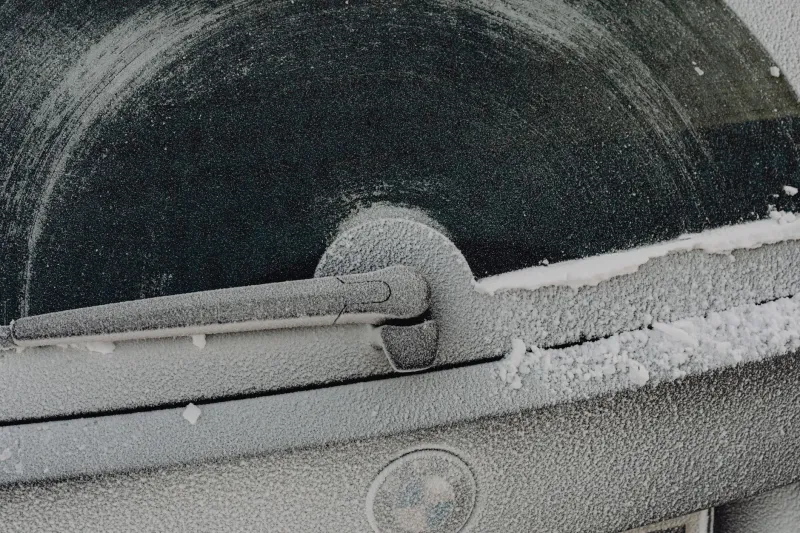
Try the wiper gently on a wet screen, not a dry one. If it drags, squeaks or feels stiff at the pivot, stop. Forcing a gritty arm across dry glass is exactly how you turn a small maintenance job into a scratched tailgate. If the arm is frozen or clearly seized, do not yank it; thaw it properly and investigate the spindle before use.
The small kit that actually gets used
You do not need much. A pH-neutral car shampoo, a diluted all-purpose cleaner, a soft detailing brush, two clean microfibres, glass cleaner, a rubber-care product and a spray sealant will cover it. A blower is handy for drying the spindle area, but a folded microfibre works fine. Avoid acidic wheel cleaners, harsh degreasers and anything that leaves an oily film on paint or rubber.
Keep the pressure washer away from the spindle and glass seal. A gentle rinse from above is fine; a direct blast can push water and grit further into places you cannot reach. The aim is to lift contamination out, not drive it in.
Step 1: Soak the grit loose
Spray a weak mix of all-purpose cleaner or shampoo around the wiper pivot, along the glass seal and under the spoiler edge. Let it dwell for two or three minutes. This softens the salt crust and leaf mould so the brush does not have to work hard. Use the detailing brush in short, gentle strokes around the spindle base, then along the rubber seal. Rinse with a slow flow of clean water from a bottle or hose, working from the top down.
Step 2: Clean the glass edge and seal
Lift the wiper arm only if it moves freely. Use a damp microfibre along the edge of the rear glass, then a soft brush along the seal itself. Work along the seal, not across it, and do not pick at the rubber with fingernails or sharp tools. If you find trapped leaves or seeds, tease them out with the brush and rinse again. Dry the area with a clean microfibre before moving on. A wet seal hides grit, and you want to see whether the rubber is sitting flat.
Step 3: Deal with the spindle base and spoiler lip
This is the fiddly bit. Use the detailing brush around the base of the wiper spindle, then wipe away what loosens with a damp microfibre. Cotton buds can help in the tight corners, but do not leave fibres behind. Under the spoiler lip, a microfibre folded into a soft edge will usually reach the grime line without scratching the paint.
If the pivot feels dry or stiff, apply a tiny amount of silicone-based rubber or pivot lubricant to a cloth and work it around the base only if your handbook allows it. Keep lubricant off the glass and painted panels, and wipe away any excess. If the arm is properly seized, leave it to a garage rather than forcing it.
Step 4: Dry, protect and reassemble
Dry the spindle area, glass edge and spoiler lip thoroughly. Apply a spray sealant or wax to the painted tailgate surface and the spoiler edge, but keep it off the rubber seal and glass. Clean the rear glass as normal, then apply a rubber-care product to the tailgate seal if it looks dry. Refit the wiper blade, run it once on a wet screen and check for smooth movement. A clean sweep with no judder is the sign that the reset has worked.
The monthly winter habit
Once the salt is down, give the rear wiper area a quick rinse every couple of weeks and a proper clean once a month. Clear snow and ice from the glass and around the spindle before switching the wiper on, and never run the rear wiper across a dry, gritty screen. It is a small routine, but it keeps the back end of a UK hatch or estate looking sharper for longer and saves the spindle from an unnecessary workout.