Wet Leaves, Sour Drains: The 30-Minute Scuttle Reset Before the Frosts
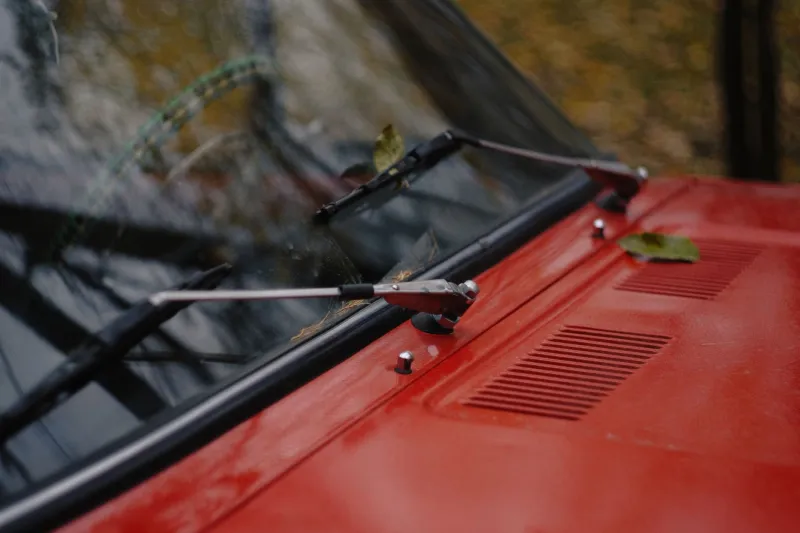
There's a piece of your car that gets washed less often than the wheel arches and ignored more than the door shuts: the scuttle panel. You know the area — the plastic tray at the base of the windscreen, under the wiper arms, bordered by the bonnet edge. In November it quietly becomes a compost heap. Wet leaves, grit, broken twigs and a bit of moss sit there, holding damp against paint and trim for weeks at a time. The result is usually a brown tide mark along the bonnet edge, a dull patch on the lacquer, or a musty smell the first time you switch the blower on.
This isn't a concours-only problem. It's a genuine paint-care issue for anyone who parks under trees, and it's worth half an hour before the frosts arrive.
What's actually living down there
The scuttle — sometimes called the plenum cover or wiper cowl — is a drainage zone. Beneath that plastic grille sit the wiper linkage, the cabin filter intake, washer hoses and, on many cars, the brake servo and various loom connectors. Water is supposed to run across the panel and out through drain grommets at either end, then down behind the front wings.
When leaves block that path, water doesn't disappear. It sits. And sitting water plus organic matter equals tannins, mild acids and a gritty sludge that works its way into panel gaps and trim seams. UK street trees are particularly good at supplying the raw material: plane trees shed bark scales, lime trees drop sticky honeydew and small leaves, sycamores deliver those winged seeds, and birches scatter tiny dry flakes that slip through the grille slots and never come out on their own.
Why it stains paint and trim
Leaf tannins are the main culprit. Leave a wet leaf on clearcoat for a fortnight and you'll often see a tea-coloured outline that doesn't wash off with shampoo. That's not dirt sitting on top; it's a stain starting to etch into the lacquer. On darker cars it reads as a dull brown shadow. On white or silver it looks like a tidemark.
The plastic scuttle panel itself takes a beating too. Porous trim absorbs the same tannins and goes patchy, especially around the wiper arm bases and the rubber seals. Grit trapped under the panel edge acts like a slow abrasive every time the bonnet flexes or the car goes over a speed bump.
And then there's the damp. A blocked scuttle drain can back water up into the cabin filter housing. You get fogging, a sour smell and, eventually, wet carpets — which is a far more expensive problem than a stained bonnet edge.
The safe 30-minute clean
You don't need a pressure washer. In fact, a pressure washer aimed into the scuttle is one of the quickest ways to push debris further into the drains or dislodge brittle clips. Work by hand.
What you'll need: a soft detailing brush, a vacuum with a crevice tool, a dilute all-purpose cleaner or car shampoo, two microfibres, a torch and a pair of gloves. A plastic trim tool helps but isn't essential.
- Open the bonnet and clear the dry stuff first. Pick out leaves by hand, then vacuum along the panel with the crevice tool. Do this before adding water — wet leaves turn into papier-mâché and cling to everything.
- Clean the wiper arm bases. Lift the arms carefully, brush around the spindles and wipe the rubber blades. Don't force the arms if they're stiff; a little warm water helps.
- Apply diluted APC or shampoo with a soft brush. Agitate gently along the panel, around the grille slots and into the corners where grit collects. Keep the solution weak — you're cleaning plastic and painted edges, not stripping wax.
- Rinse with low pressure. A watering can or a hose on a gentle setting is ideal. Watch where the water goes. It should run away quickly towards the wheel arches.
- Dry with a microfibre, then leave the bonnet open for ten minutes if the weather allows. Trapped moisture under the panel is what you're trying to avoid.
- Check the drains. Pour a cup of water into each corner of the scuttle and look underneath the car. If it trickles out slowly, or pools, you've got a blockage. Clear it gently with a plastic trim tool or a cable tie — never a wire coat hanger, which can puncture a hose or scratch paint.
Trim removal: know when to stop
Some guides will tell you to unclip the whole scuttle panel for a proper clean. On a warm day, with new clips and a workshop manual, that's fine. In a cold November driveway, it's a gamble. Plastic clips go brittle with age and low temperatures, and many UK-market cars — Vauxhalls, Fords, VWs — hide screws under rubber seals and brittle locating tabs at the windscreen edge.
If you do remove it, warm the plastic first with a hairdryer on low, use proper trim tools, and photograph every clip before you pull. Be aware of washer jet hoses, the cabin filter housing and any wiring clipped to the underside. If anything feels stubborn, stop. Cleaning in situ with a soft brush and a wet vac is almost always safer.
A simple protection routine for tree-parked cars
Once the scuttle is clean and dry, protect the painted edge along the bonnet and the A-pillar bases. A spray sealant or a thin coat of wax on those narrow strips makes the next batch of tannins easier to rinse away. Treat the plastic with a dedicated trim restorer rather than a glossy silicone dressing, which can smear the windscreen when it rains.
Then keep it clear. A weekly dry-brush of the scuttle takes two minutes and prevents most of the problem. In heavy leaf-fall, check the drains monthly. If you park under a lime or plane tree every day, consider a breathable outdoor cover for long periods — but only if the car is clean underneath, otherwise you're trapping grit against the paint.
Finally, check the cabin filter at the end of autumn. If it's damp or black with leaf debris, change it. That's the difference between a car that smells fresh in January and one that fogs up every morning.
When to hand it over
If water is pooling in the scuttle, the carpets are damp, or you can hear sloshing when you brake, stop cleaning and get the drains looked at properly. A blocked plenum drain can send water into the footwell or onto electronics, and that's a job for a garage with a ramp, not a driveway with a brush.
For everyone else, the scuttle is one of the cheapest wins in paint care. Half an hour now saves a brown-stained bonnet edge and a sour-smelling cabin later.