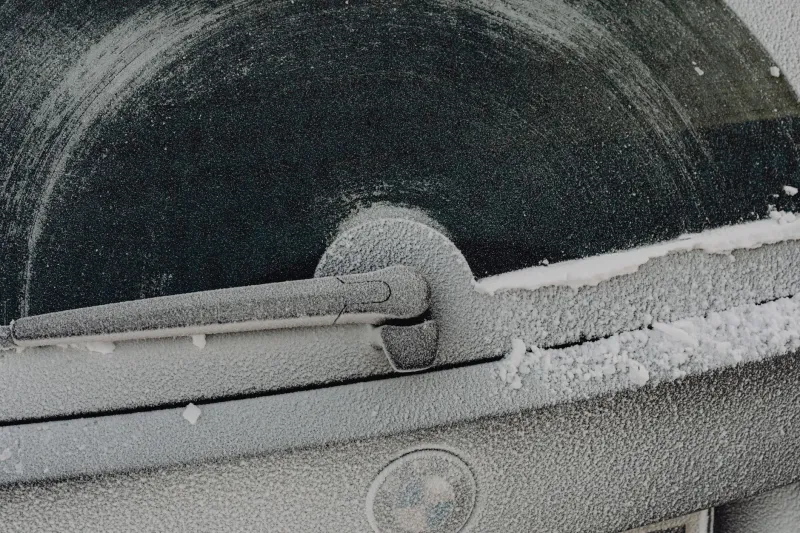
The Drip Above the Glass: Clearing a Hatchback Spoiler Drain Before Winter Bites

You wash the car, dry the glass, stand back and spot it: a thin, tea-coloured trail running down the tailgate from under the spoiler. It isn’t always a failing seal or a rust outbreak. On plenty of UK hatchbacks and estates, the area above the rear glass is a quiet trap for grit, leaf litter and winter road film. Water finds its way in, mixes with the muck and drips out over the paint. Left alone, that drip bakes on and leaves a mark that takes far longer to shift than the blockage did to clear.
Why the spoiler seam gets grim in the first place
A rear spoiler is not just a styling flourish. It sits in a low-pressure zone where road spray, tree debris and fine grit can collect. The seam between spoiler and tailgate, the underside channel and the housing around a high-level brake light all offer somewhere for water to linger. Add autumn leaf mulch, winter salt film and the general dust of a UK commute, and you have the makings of a slow-moving blockage.
The result is often a brown or greyish drip line rather than a dramatic leak. That stain is usually a mix of organic matter, mineral deposits and road grime that has been carried down in small amounts and dried repeatedly. It is much easier to deal with before the frosts arrive than after several cold snaps have baked it onto the clear coat.
What you need — and what to leave in the toolbox
This is a gentle job. You need a bucket of pH-neutral shampoo solution, a soft detailing brush, a couple of microfibres, a torch, a watering can or a hose on a soft flow, and a plastic trim tool if anything needs easing. A small step stool helps on taller estates.
Leave the pressure washer on the other side of the driveway. Blasting water directly into the spoiler seam or brake light housing can force grit further in and stress old clips. Skip the wire coat hanger and the screwdriver too. Poking blindly at a drain channel is a quick way to scratch paint, tear a seal or snap a plastic locating tab that you will then spend far longer fixing.
Start dry, then introduce water carefully
Open the tailgate and look along the underside of the spoiler with a torch. You are checking for three things: visible grit or leaf fragments, a tidemark where water has been sitting, and any sign that the high-level brake light housing is not sitting flush. A soft brush is useful here — dry, it will lift loose debris without pushing it deeper.
Next, run a gentle flow of water over the top of the spoiler and watch where it goes. It should find its way out through the intended channel rather than pooling along the seam or running down the glass. If the water exits slowly, or you see it seeping from a different point, the drain is partly restricted. That is your cue to clear it — not to attack it with more pressure.
Clearing the channel without making more work
Use the soft brush and shampoo solution to loosen grime around the seam. Flush with clean water and repeat. If a plastic trim tool is needed, use it only to ease a seal or lift a cover, never to scrape inside a narrow channel. Low-pressure compressed air can help shift a loose blockage, but keep the nozzle well back and use short bursts.
Check the high-level brake light housing as part of the same routine. If the seal looks perished or the housing is loose, stop and get it looked at rather than adding sealant on top of trapped moisture. A drain that cannot breathe is worse than one that is simply dirty.
The paint side: shifting the stain without scrubbing
Once the channel is clear, treat the drip mark like any other organic contaminant. Wash it with your normal shampoo mix and a soft microfibre. If a brown shadow remains, a dedicated tar and glue remover or a mild fallout remover can help, but patch-test first and keep the dwell time sensible. Do not scrub hard at a stubborn mark; you will dull the clear coat before the stain lifts.
After cleaning, dry the seam thoroughly. A microfibre wrapped around a soft brush or a folded cloth is ideal for the underside of the spoiler, where water likes to hide. Leave the tailgate open for a few minutes if you can — air movement does more good than a heavy towel stuffed into a tight gap.
Protection before the cold snap
Once everything is dry, apply a thin coat of wax or sealant to the tailgate paint below the spoiler and around the drip line. Keep it away from the drain opening itself. A trim restorer on the plastic spoiler underside and a little silicone grease on rubber seals — used sparingly — will help the area shed water rather than hold it.
Then make it a habit. Every couple of weeks, open the boot, wipe the spoiler seam and check that water still exits freely. After a windy autumn drive or a run past the gritter, give it a quick look. The two-minute check is far cheaper than a paint correction session in spring.
A clean tailgate is not just about the panel you can see in the car park. The spoiler seam is one of those hidden details that separates a car that merely gets washed from one that is genuinely looked after. Clear the drain now, and the next cold snap has one less place to leave its mark.