Frost on the Glass, Care at the Edges: A 2026 De-Icing Plan for UK Paint
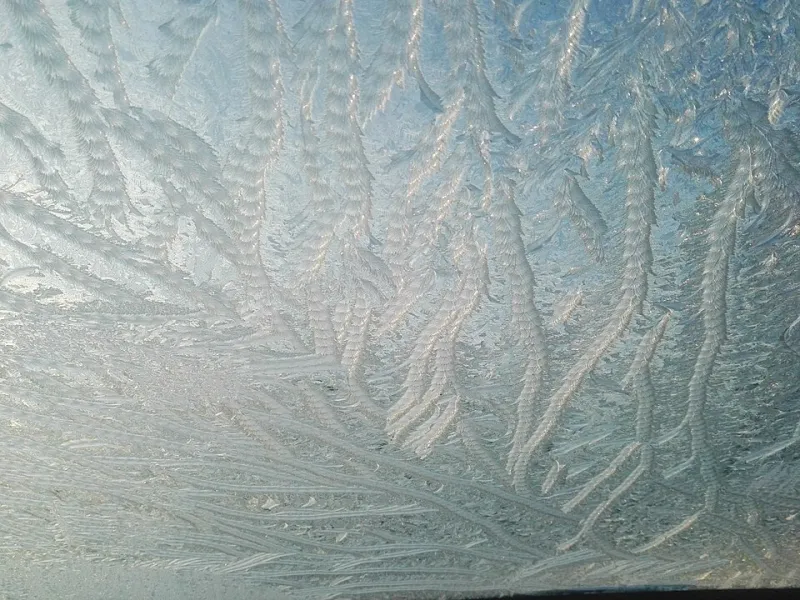
Photo: old_s, CC0, via Wikimedia Commons
The first proper frost of the 2026 season has a way of making everyone late. You walk out, see that white crust across the windscreen, and reach for whatever is closest. That is exactly when paint gets hurt. Glass can take a lot. The clearcoat, rubber and trim around it cannot. A rushed de-ice is less about the middle of the screen and more about the edges: the wiper-park recess, the base of the A-pillars and that narrow roof lip above the glass.
The Edge Is the Whole Game
Most frost damage I see is not a dramatic gouge in the middle of a bonnet. It is a small chip or scuff at the glass edge, where a scraper has caught grit or dug into the black trim. That area collects leaves, road film and salt. When it freezes, the grit is locked in place. Drag a hard tool through it and you are effectively sanding the clearcoat. The wiper-park recess is worse because it holds water. Overnight, that water becomes ice around the wiper arms and the rubber. Force the wipers and you can tear a blade or stress the linkage. Scrape carelessly and you can scar the trim that sits right against the paint.
Three Habits to Drop This Morning
Boiling water is the big one. It can crack glass through thermal shock, and it does no favours to rubber or paint. It also refreezes quickly on a cold morning, often in the exact places you did not want it. Next, the credit card or the ice scraper from the back of the shed with a chipped edge. Those are not paint-safe. Finally, do not start the wipers on a frozen screen. The blades will drag over grit and ice, and the motor will work harder than it should.
A 15-Minute Routine That Puts Paint First
Start the car and set the blower to the windscreen. Air conditioning on, even in winter, helps dry the cabin air. Switch on the rear screen and mirror heating if you have them. While the glass starts to soften, clear any loose snow from the roof and bonnet with a soft brush, not a scraper. Keep the brush off the paint if it has picked up grit.
Next, apply a proper automotive de-icer to the glass, working around the edges first. Give it a minute to work. Do not spray it directly at the paint or rubber in a heavy blast. A light mist around the wiper-park recess is fine, but wipe any overspray off paint with a clean microfibre.
Use a paint-safe scraper with a soft, flexible edge. Hold it flat to the glass, not at a digging angle. Work in one direction, starting from the top and moving down. Stop when you reach the rubber or trim. Do not use the scraper to clear the recess. That is a job for a cloth and de-icer.
Once the glass is clear, run a silicone wipe or a damp microfibre around the rubber seals, the base of the A-pillars and the roof lip above the screen. This removes the de-icer residue and any grit that has loosened. Dry the area with a second cloth. It sounds fussy. It takes two minutes. It is the difference between a clean thaw and a salty, refrozen mess.
The Wiper-Park Recess: Small Area, Big Damage
This is the bit people skip. Lift the wipers only if they are free. If they are frozen to the glass, use de-icer and wait. Never pull them up by force. Once they move, clean around the pivot with a soft brush or microfibre. Flush the recess with de-icer, then wipe it out. If you have a silicone spray, a tiny amount on a cloth around the rubber can help stop it sticking next time. Keep it off the glass itself.
The Roof Lip and A-Pillars
Water runs down the screen, around the A-pillars and onto that narrow roof lip. In frost, it refreezes as a thin skin. Do not scrape it. Use de-icer and a cloth. Check that the drains at the base of the screen are clear, because standing water there is a frost-season problem waiting to happen. A quick wipe now saves a gritty, refrozen edge later.
After the Thaw, Check the Chips
The best time to spot a new chip is in flat daylight, not under a phone torch in the dark. Once the screen and surrounding paint are dry, look along the edge of the glass, the A-pillar bases and the leading edge of the roof. Small chips in the clearcoat show up as white or dark dots. Clean the area, dry it and apply a touch-up pen if you have one. Do not polish over a fresh chip. Do not ignore it either. Frost and salt will find it.
The Kit Worth Keeping in the Boot
A paint-safe scraper, a can of proper de-icer, two microfibres, a silicone wipe and a small torch. Add a touch-up pen if your paint code is easy to match. Keep the scraper clean. A gritty scraper is worse than no scraper. Rinse or wipe the edge after each use.
The 2026 frost season will bring plenty of mornings when you just want to get going. That is fine. Just do not let the rush happen at the edge of the glass. Thaw first, wipe the edges, check the chips. Your paint will thank you when the salt arrives.