Ten Degrees and Falling: A Winter Reality Check for Ceramic Coatings
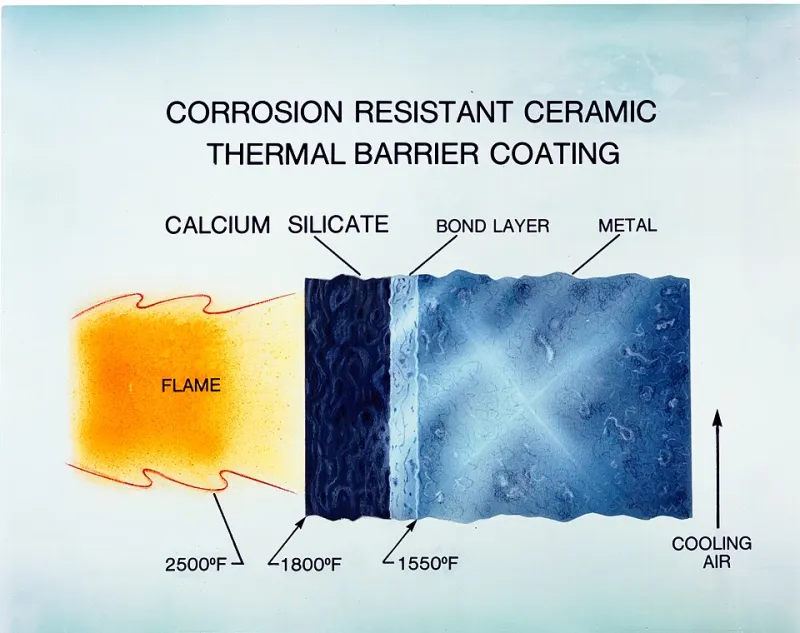
Photo: Unknown authorUnknown author or not provided, Public domain, via Wikimedia Commons
Every winter, someone posts a photo of a freshly coated bonnet with the caption 'cured in twelve hours'. Every winter, someone else posts the same bonnet in February with water spots welded into it and a hazy patch near the badge. The difference between those two cars is rarely the product. It's the temperature of the panel when the coating went on.
I'll be blunt: applying a proper ceramic coating in an unheated British garage in December is a bad idea, and most people doing it already suspect as much. What follows is why, what actually cures and when, and the compromise I'd recommend instead.
The instruction sheet is written for a warmer country
Cure times on coating bottles are almost always quoted for 20-25°C. That's not marketing spin — it's chemistry. Ceramic coatings cure via a moisture-driven reaction, and both solvent flash-off and the cross-linking that follows are temperature-dependent. Halve the temperature and you don't halve the cure time; you extend it unpredictably. Unpredictable is the worst possible word when you're talking about a coating that must not be touched, rained on or dusted for hours.
Panel temperature, not air temperature
Here's the number that actually matters. A steel or aluminium panel sitting in a cold garage overnight will be at or below ambient. Park it outside on a clear night and it can drop several degrees below air temperature, because it's radiating heat into the sky. Bring it into a garage at 8°C ambient and the bonnet may still be 5°C an hour later.
So when someone says 'it was ten degrees in the garage', they usually mean the air was ten degrees. The paint was seven. Your infrared thermometer is the only opinion worth listening to here.
The rule I work to: don't apply anything serious below 10°C panel temperature, and don't apply a full ceramic below 15°C. Above 15°C, a mid-range coating behaves predictably. Below ten, you're guessing.
Condensation is the quiet killer
Cold panels in a slightly warmer, damper garage are a condensation magnet. This is the bit that ruins coatings. You finish the panel, it looks perfect, you go in for a cup of tea, and twenty minutes later there's a film of moisture across the surface because the panel is still cold and the air isn't.
Moisture during flash-off and early cure produces the classic failure signatures: a hazy, patchy finish, water spotting that won't polish out, and markedly reduced water behaviour. It isn't a defect you can correct afterwards. It's a re-polish and start again.
What a slow cure actually costs you
If the coating doesn't fully cross-link in its first day, it stays soft. Soft coatings collect dust, and dust landing on a tacky surface bonds. You end up with a finish that looks fine in flat light and dreadful under a petrol station canopy — which is where you'll first notice it.
Then there's the practical problem of a British winter: the car lives outside, it rains, and it gets driven. A coating needs to stay dry for its full cure window. In July that's easy. In December in Manchester it's a scheduling puzzle with no good answer.
Spray sealants: the compromise that actually works
This is what I'd do. A modern spray sealant or wet-apply SiO2 product put on at 6°C won't give you a year of protection, but it will give you four to eight weeks of genuinely impressive water behaviour, it tolerates a much wider temperature window, and it's cheap enough that reapplying in February isn't heartbreaking.
On a cold car: wash and dry properly, apply to a cool panel out of direct sun, work in small sections, buff immediately. Expect shorter durability and don't be surprised if the beading fades by New Year. Top it up monthly and it'll carry you to spring comfortably.
If you insist on doing it properly
Sometimes you have to — a new car handover, a lease return deadline, a slot with a detailer booked until April. In that case:
- Get panel temperature above 15°C. Not the air. The panel. A garage heater plus two hours of soak time, or a heated unit if you can book one.
- Control humidity. A dehumidifier running overnight in the garage does more for your finish than an extra bottle of prep spray.
- Apply in the morning. You want the longest possible window of stable temperature before the evening drop.
- Keep the car under cover for at least 24 hours, ideally 48. No rain, no dew, no night air.
- Accept that flash-off will be slow. Watch it, don't rush it, and don't chase it with a towel.
- Be honest about durability. A coating applied at 16°C will usually still perform, but don't expect the headline figure on the bottle.
When to walk away
Walk away if: the panel won't get above 15°C, the garage is unheated and uninsulated with a metal up-and-over door, the car must be used daily, rain is forecast within 24 hours and you've nowhere covered to park it, or you've already caught yourself thinking 'it'll probably be fine'.
Spring isn't far. A car with a solid wash routine and a spray sealant in December will be in better shape in April than one wearing a compromised ceramic applied in the cold. That's not a controversial opinion — it's what the chemistry says.