Tannin Tattoos: Spotting and Shifting Autumn Leaf Stains on UK Paint
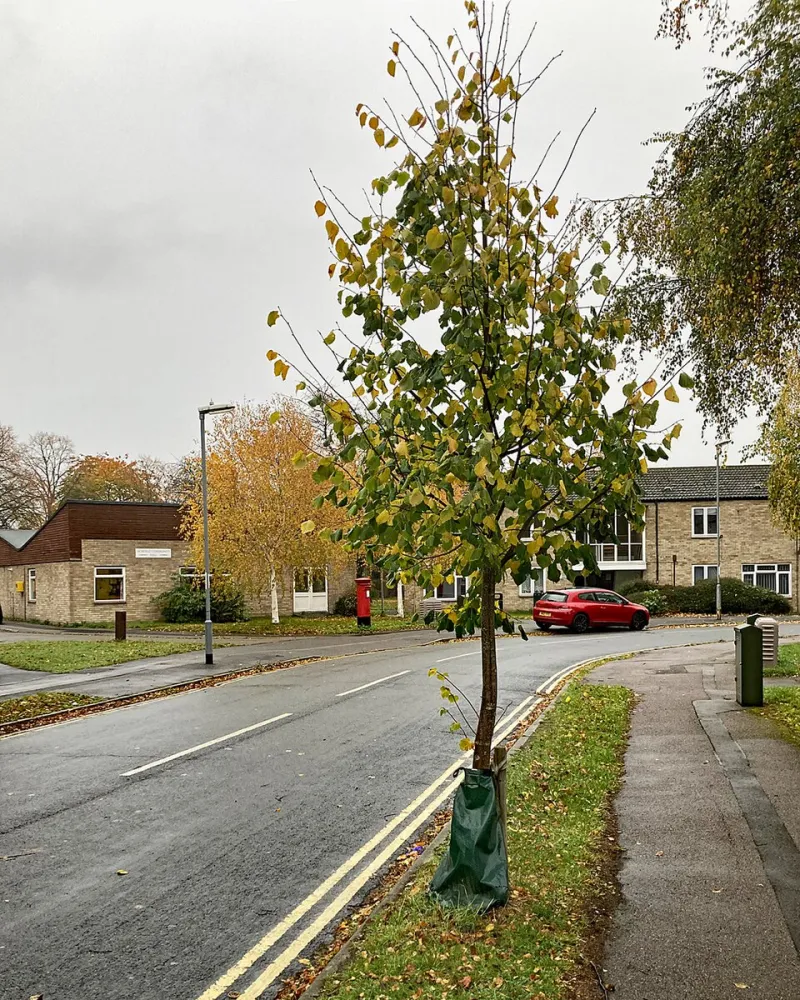
Photo: John Sutton , CC BY-SA 2.0, via Wikimedia Commons
There’s a particular kind of UK autumn misery that arrives quietly: you park under a sycamore, come back to a bonnet freckled with wet leaves, and think nothing of it until the following weekend. By then, the leaves have dried, baked, re-wetted and started to leave their calling card—dull brown patches, faint outlines, and a sticky organic film that a normal wash doesn’t shift. Welcome to leaf-stain season.
At Wowo Detailing, we’re not here to tell you to panic every time a leaf lands on the roof. But if your car lives outside, under trees or on a street lined with mature planting, a bit of leaf awareness in November 2026 will save you a lot of polishing later. The goal is simple: spot the early marks, remove them gently, and stop the next batch from bonding.
Why wet leaves are worse than dry ones
A dry leaf sitting on a warm bonnet is mostly a visual nuisance. A wet leaf is a little chemistry experiment. As it breaks down, it releases tannins and other organic acids, and the moisture keeps those substances pressed against the clear coat. Add the stop-start dampness of a British autumn—dew, drizzle, a dry spell, then more rain—and you get repeated wet-dry cycles that can leave a stain sitting right on the surface.
Dark paint hides a lot, but it also shows the dullness beautifully once the light hits it. White and silver cars can look like they’ve collected faint tea-coloured shadows. Either way, the mark isn’t usually a scratch. It’s a deposit, sometimes with a slightly etched edge if it’s been left long enough. That distinction matters, because scrubbing a deposit is bad; scrubbing an etch is worse.
The two-minute torch audit
You don’t need a full inspection lamp to catch leaf staining early. A phone torch held at a low angle across the panel will do. Check the bonnet first, then the roof, then the boot lid—the flat surfaces where leaves like to sit. Look for brown or yellow-brown outlines, cloudy patches, and any sticky residue that feels slightly raised when you run a clean finger over it.
Pay attention to the places leaves gather and stay damp: the base of the windscreen, the scuttle panel, the shut lines at the back of the bonnet, and the area around the bootlid spoiler if you have one. Those are the spots where organic debris turns into a soggy mat and keeps working on the paint. If you find a leaf sitting there, remove it—carefully—before you do anything else.
What a leaf stain actually looks like
Early leaf staining often looks like a faint water spot with a brownish tint. It might disappear when the panel is wet and reappear as it dries. That’s a good sign: the deposit is still mostly on the surface. A more established stain has a defined edge, a dull centre, and may feel slightly rough to the fingertip. If the clear coat looks grey or hazy under the mark, it has started to etch.
Don’t confuse leaf tannin with tar. Tar is black and tacky; leaf residue is more brown, green-brown or tea-coloured. Don’t confuse it with iron fallout either—that tends to look like tiny orange pinpricks. Leaf staining is broader and patchier, often shaped loosely like the leaf that caused it, which is why it can look like a ghost print on the bonnet.
The safe removal sequence
Start with the least aggressive method and stay there if it works. First, rinse the panel to remove loose grit. Then apply a pH-neutral snow foam or shampoo mix and let it dwell for a few minutes. This softens the organic film without drying out the clear coat. Rinse thoroughly.
For a stubborn patch, soak a clean microfibre cloth in warm—not hot—shampoo water and lay it over the stain for five to ten minutes. Keep it damp. This is the detailing equivalent of a warm compress, and it often lifts leaf residue without any friction at all. Wipe gently in a straight line, then rinse. If the mark is still there, use a dedicated organic residue or bug-and-tar remover, following the dwell time on the bottle. Don’t attack it with a dry cloth, a sponge, or your fingernail.
If the surface feels rough after washing, a clay bar with plenty of lubricant can remove bonded contamination—but only on a clean panel, and only with light pressure. Clay is not a stain remover; it’s a contamination remover. If the brown mark remains after claying, you’re likely looking at mild etching, not a deposit.
When to stop and polish
There’s a point where more washing, more soaking and more product won’t help. If the stain has a clearly etched outline and the paint looks dull inside it, the clear coat has been slightly compromised. In that case, stop. A light machine polish by someone who knows what they’re doing can usually refine it out, but hand-polishing a whole bonnet is a recipe for uneven results and sore shoulders.
This is also the moment to be honest about street parking. If your car sits under the same tree every day, you can remove the current marks and have a fresh set by next weekend. That’s not a failure of technique; it’s a location problem. Prevention is the next job.
A prevention routine for the damp months
You don’t need to wrap the car in cotton wool. You need a routine that stops leaves from sitting wet for days. A weekly rinse—even a hosepipe-free rinse with a watering can or a waterless wash product—will clear the fresh organic film before it bonds. Remove leaves from the scuttle panel and bonnet shut lines every time you wash, because that’s where they turn into mulch.
A good wax, sealant or ceramic coating gives you a sacrificial layer that makes leaves easier to rinse away, but it is not a force field. Think of it as making the cleanup easier, not making the problem disappear. If you know a particular tree drops heavily in autumn, consider parking a few feet further away, or use a breathable car cover only on a clean car—never throw one over a gritty, leaf-covered bonnet.
Finally, check the drains. Leaves block scuttle drains and boot channels, and standing water around the paint is exactly what you don’t want. A quick clear-out with a gloved hand and a rinse is one of the most underrated paint-care jobs of the season.
The takeaway
Leaf stains are one of those UK paint problems that reward attention more than aggression. A torch, a warm shampoo soak, and a weekly rinse will handle most of what autumn 2026 throws at your car. Save the polish for the marks that have genuinely etched, and don’t let a brown ghost print on the bonnet convince you the paint is ruined. It usually isn’t—it just needs a calmer, more methodical approach than a bucket and a bit of elbow grease.