The November Drying Duel: Forced Air vs. Plush Towel on a Cold Driveway
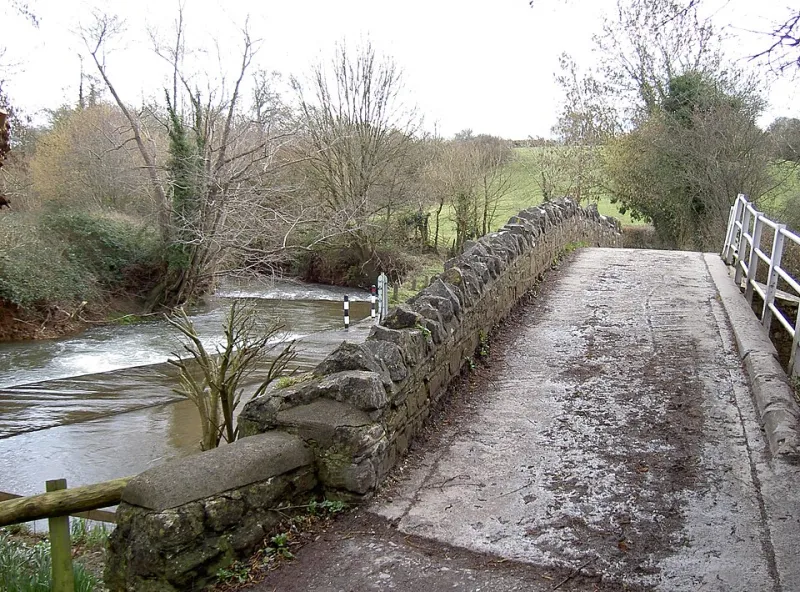
Photo: Neil Owen , CC BY-SA 2.0, via Wikimedia Commons
There's a moment every November when the rinse water stops and the real work begins. The car is wet, the light is going, and your fingers have already voted for gloves. Something has to remove the water before it dries into mineral spots or, on a bad night, freezes into a skin of ice across the bonnet.
Two camps will tell you how to do it. One swears by forced air. The other swears by a plush towel so thick it costs more than a tank of fuel. Both are right, both are wrong, and the answer changes the moment the temperature drops below about eight degrees.
Why cold weather rewrites the drying rulebook
Warm-weather drying is forgiving. Water beads, the towel glides, nothing dramatic happens. Cold removes that margin for error in three ways. Water evaporates far more slowly, so any droplet left behind gets a long, lazy window in which to bake on minerals. Rubber, plastic and trim stiffen and trap moisture in seams you forgot existed. And your hands get clumsy, which is exactly when a towel picks up grit from the floor and drags it across a wing.
There's a fourth factor nobody mentions: panel temperature. On a damp November morning your bonnet can sit two or three degrees below the air temperature, because it has been radiating heat into a clear sky all night. Water on a cold panel behaves differently — it hangs around, it pools in low spots, and it clings to dust rather than running off.
The test protocol we actually ran
Nothing scientific, but repeatable:
- One car, one wash, one drying session. Wash everything first, then dry. Don't dry as you go, or you'll be comparing a wet panel to a drying one.
- Split by panel type, not by side. Bonnet and both front wings with forced air; roof and rear quarter with towel. Swap next wash so neither method gets an easy panel twice.
- Log the numbers: air temperature, panel temperature from a cheap infrared thermometer, minutes taken, and spots visible after an hour.
- Judge twice — once at the hour mark, once the following morning. Morning is where streaks reveal themselves.
We ran it at 6°C with a light breeze, which is about as kind as a British November gets.
Round one: paint safety
The blower wins this on paper, and mostly in practice. No contact means no marring, full stop. The catch is that a blower only removes water safely if the paint is genuinely clean and the water is sheeting rather than clinging. If your rinse left beading droplets full of grit, you're now firing grit across the panel at motorway speed. That isn't safer. It's just faster.
Towels can be perfectly safe. A fresh, clean, plush microfibre used flat, with no pressure and a lubricating spray, is gentle. But a cold, damp towel on a cold panel is a stiff towel, and stiff towels drag. By the third wring-out, it's a different tool to the one you started with.
Verdict: blower, provided the car is properly rinsed. Towel, provided you own enough dry ones to swap per panel.
Round two: water spotting
Towels win here, and it isn't close. Contact removes water. Air moves water around and evaporates the rest, and evaporation is precisely how you get mineral spotting on a hard-water postcode.
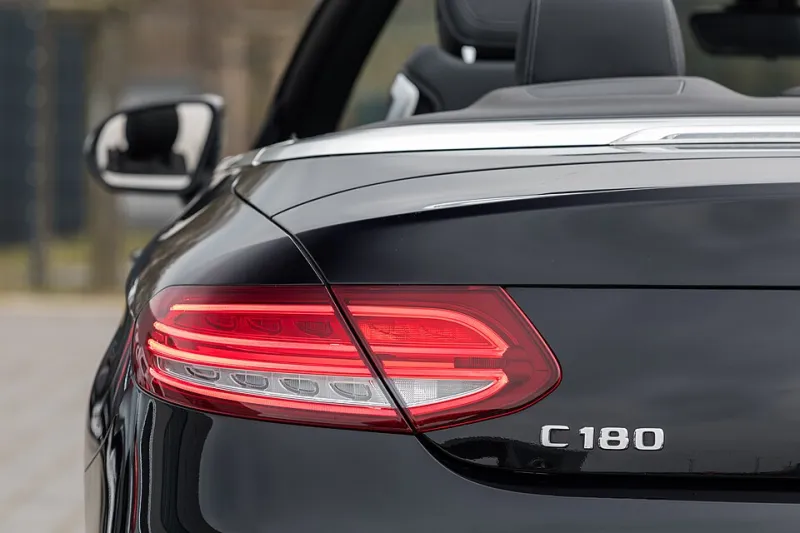
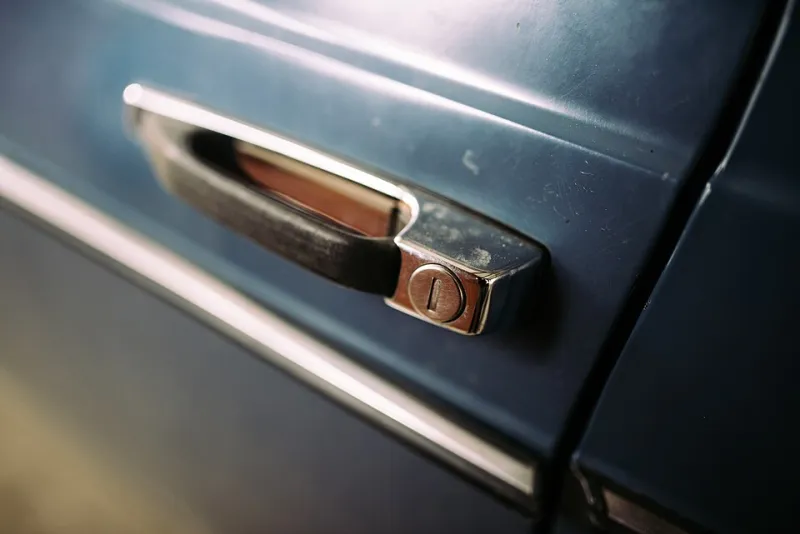
The blower's real weakness is trapped water: mirror housings, door handle recesses, the seam under the spoiler, the gap between glass and rubber. Forced air pushes droplets out of those places and then leaves them sitting on the panel below. Unless you chase them, you have simply created a new set of spots in a new location.
Round three: frozen trim, seals and badges
Ambient forced air does nothing for a stiff door seal or a semi-frozen window rubber. A towel lets you press gently along the seal to lift water out. A blower just blows cold air across it and moves on.
On the other hand, badge lettering and panel gaps are where towels physically cannot reach. A blower is the only realistic method for shifting water out of those little reservoirs before it freezes overnight. Ideal answer: blower for gaps, towel for flat panels and seals.
Round four: driveway practicality
This is where the test gets real for UK drivers.
Cordless blowers are loud, and at 8am on a Sunday your neighbours will have views. Battery life in the cold is roughly two-thirds of what the box promises. And if you park on the street rather than a drive, dragging a blower out is a full performance.
Towels need washing. A proper cold-weather dry uses four to six on a mid-size car, and if you dry weekly through winter that's a laundry problem rather than a detailing one. Damp towels left in a bucket overnight is how you get mildew, and eventually a towel that scratches.
The verdict for hose-free, garage-less drivers
No garage, no hose, car living outside? My honest answer is mostly towel, with a blower for the awkward bits.
The reasoning is simple. Towel drying is quiet, portable, needs no power, and doesn't care whether you're on a driveway or a residential street. It also finishes the job. The blower is the better tool for the last five percent — mirrors, badges, grilles, panel gaps, wheel nuts — but it's a poor primary method for someone drying a whole car in the cold.
If you do have a garage and a decent cordless blower, flip it. Blow the bulk, towel the residue, and you'll use a third of the cloths.
The hybrid routine that survives winter
- Sheet rinse with an open hose or a watering can to shift as much standing water as possible.
- Blow the gaps first, while panels are still wet — mirrors, handles, badges, boot shut, filler flap.
- Towel the flat panels with a fresh towel per panel, flat hands, no scrubbing.
- Blow the panel edges and shut lines again to chase out what the towel pushed in.
- Leave the boot and bonnet open for ten minutes if sheltered, or wipe the seals dry if you're outside.
Cold-weather drying isn't about picking a side. It's about accepting that at six degrees the water will fight you either way — and the only genuine mistake is rushing it.